
Winter meals are hearty and satisfying, but can leave a desire for something bright and fresh to balance out the flavors and textures. Citrus fruits such as lemons, oranges, and grapefruits are juiciest, sweetest and freshest during the winter months. In the past, citrus fruits have even been considered a prized Christmas treat.
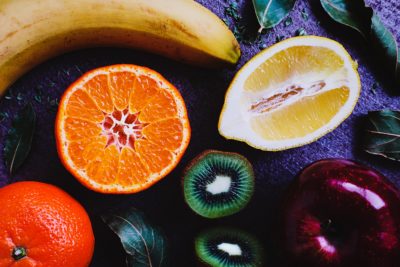
Citrus fruits are an excellent source of vitamin C, a powerful antioxidant that can help protect the body from damaging free radicals. Vitamin C, also called ascorbate, is also important in the body’s synthesis of collagen. Collagen is a structural component of bone, cartilage, tendon, and other connective tissue including the tissue in blood vessel walls and skin. Without adequate vitamin C, the integrity of those structures is compromised and they are weaker. Vitamin C is also involved in the synthesis of carnitine, a molecule required for using fat as fuel in the body. Other important functions that vitamin C is involved in include hormone production and neurotransmitter synthesis, specifically norepinephrine, epinephrine, and serotonin. Vitamin C also enhances iron absorption. The benefits of eating citrus fruits don’t end there because they also provide fiber along with a number of other vitamins and micronutrients.
This recipe can be equally delicious with or without a sweetener. The tart citrus juices stand out beautifully on their own. Mint sugar is one sweetening option if the grapefruit is a bit too tart. Always taste before adding sugar. To make it, food process mint leaves with ¼ cup of sugar, pulsing until the mint is finely chopped. Sprinkle the mint sugar over the fruit before mixing the salad. The sugar will draw the juices out of the fruit, creating a light syrup. This citrus salad is a perfect side dish for a holiday get-together and provides a healthy alternative to Jell-O or marshmallow fruit salads that often make an appearance.
Winter Citrus Salad with Mint
Ingredients:
2 white grapefruits
2 pink grapefruits
6 large navel oranges
½ cup fresh mint leaves
Seeds (arils) from 1 pomegranate
Optional modifications:
¼ cup dried cranberries for the pomegranate seeds
Sweetener of choice to taste
Directions:
Cut the peel and white pith from the grapefruits and oranges. To do that, simply slice away about ¼-inch from the stem and blossom ends of the fruit. Then run a knife down the side of the fruit working all the way around to remove the peel and pith. Cut between the membranes to release the segments of fruit. Combine fruit segments in a large serving bowl. The fruit can be prepared one day ahead, covered, and refrigerated until needed.
Next, cut and remove the seeds from the pomegranate. Cut ¼-inch from the stem end and place the pomegranate cut side down to stabilize it. Remove the blossom by using a paring knife to cut a circle around it, angling down toward the center of the fruit. Then, find the ridges of the pomegranate and make shallow cuts along the ridges through the red part of the skin. If the cuts are too deep the seeds underneath may be damaged. Once the cuts have been made, pry open the pomegranate with your fingers and gently remove the seeds from between the membranes. Add the pomegranate seeds to the citrus fruit segments.
Finely chop the mint leaves and sprinkle them over the fruit. Add sweetener to taste if desired. Gently mix to evenly combine ingredients. Serve immediately or refrigerate to allow the flavors to blend.
Adapted from:
http://www.epicurious.com/recipes/food/views/Citrus-Salad-with-Mint-Sugar-108943
http://www.simplyrecipes.com/recipes/how_to_cut_and_de_seed_a_pomegranate/