
The Starkel Nutrition Blog

Some Food Additives You May Consider Avoiding

The best thing you can do for your body is to eat whole foods, ones that don’t require a label. We understand, even as nutritionists, that that is not possible all of the time, so being aware of the potential health risks that food additives may cause you is important.


Artificial Sweeteners

splenda

Nutrasweet, Equal, Splenda, etc (example: sugar-free food items)

  • Believed to be carcinogenic and neurotoxic
  • May lead to chronic fatigue, depression, headaches, nausea, and dizziness
  • Exacerbate the desire for sweetness


High Fructose Corn Syrup
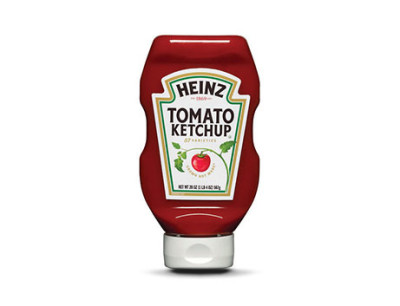
20oz-photo-small

(example: candies, dressings, cereals)

  • Terrible for the liver (children developing fatty liver disease)
  • Highly refined, rapidly absorbed in the body and causes big spikes in insulin
  • Risk of metabolic disturbances like increased appetite, weight gain, heart disease


Monosodium Glutamate

k2-_b399ff22-2147-4004-8162-8e0ce3d22cf3.v1

MSG (example: seasonings, canned soups, lunch meat)

  • Effects neurological pathways—may contribute to fatigue, headaches, obesity
  • Known to over excite our body’s cells to the point of damage or death
  • Does not affect everyone and does occur naturally in aged foods like salami


Trans Fatty Acids

margarine_11_12_62037

Hydrogenated Fats (example: margarine, chips, fast foods)

  • Shown to increase risk of heart attacks, strokes, inflammation, diabetes, etc.
  • Increases cholesterol levels, insulin sensitivity, obesity


Food Dyes

imageService

Blue #1 and #2, Red #3, Yellow #6 (example: sodas, juices, dressings)

  • Banned in much of Europe due to high chemical level and links to cancer
  • Links to behavioral changes such as attention deficit disorder and inattentiveness


This list is not extensive, but is just to get you thinking about the food you are putting into your body. All in all, moderation is key. The problem comes from consuming these highly refined foods in excess. This is not to say you can never eat these foods again, but becoming aware of what is in your food is a step to improving your health.


Image Sources:

1, 2, 3, 4, 5

Get our Monthly Insightful Newsletter:

"*" indicates required fields

This field is for validation purposes and should be left unchanged.

Welcome to Starkel Nutrition

As credentialed providers, we bring you relevant information frequently so that you can learn about timely nutrition subjects, decipher fact from fiction, and apply healthy eating to your life.

Explore Our Articles:

Health + Wellness

Recipes

Labs + Supplements

Recent Posts

Raspberry Chia Breakfast Bowl

Raspberry Chia Breakfast Bowl

This breakfast bowl will help you increase your soluble fiber intake with minimal prep time! Soluble fiber tends to help regulate digestion and support healthy, regular bowel movements. Chia tends to soak up liquid and soften quickly, however this recipe can also be...

read more
Why should you consider a stool test?

Why should you consider a stool test?

While it’s not the most fun test to do, a stool test can be a very helpful tool for personalized nutrition interventions. These tests can reveal the root cause of many common GI symptoms, like bloating, diarrhea, constipation, indigestion or abdominal pain. It can...

read more
What the Heck is SIBO?

What the Heck is SIBO?

If you’ve been dealing with bloating that makes you look six months pregnant, unpredictable digestion, food sensitivities that seem to multiply overnight,  or IBS that never quite improves — you may have heard the term SIBO thrown around.  First — What Is SIBO? Small...

read more
Lemon Rosemary Chicken Soup

Lemon Rosemary Chicken Soup

The perfect nourishing meal to get you through another week of winter. Enjoy the lightness of the citrus mixed with the earthiness of the rosemary, all coming together for a great comfort meal.  Prep Time/Cook Time: 40 minutes Yields: 6 servings Ingredients: ¼ cup...

read more
Lab Considerations with GLP-1 Therapy

Lab Considerations with GLP-1 Therapy

GLP-1 receptor agonists are associated with reduced appetite, early satiety, and lower overall food intake, which may increase the risk of micronutrient inadequacy over time, particularly if baseline intake is suboptimal. Nutrients Most Commonly Affected Iron, zinc,...

read more

Join our Newsletter

"*" indicates required fields

This field is for validation purposes and should be left unchanged.