Summer has wound down, but here in the Pacific Northwest, warm weather can last into the fall months too. Many student athletes are returning to their weekly practice and competition schedules, some of which may be done outdoors in the sun. We’re also well underway with the fall race seasons for running and cycling (fall marathons, anyone?), and many folks are returning to their physical activity routines after summer travel.
With all that physical activity and sweat, it begs the question: do you need to worry about taking electrolytes?
First, let’s establish what electrolytes are. They are minerals: sodium, potassium, magnesium, chloride, phosphorus, and calcium. Not every electrolyte drink or mix will contain all of these. Electrolytes have important roles in the body; they affect the amount of water in the body, our muscle and nerve function, and the acidity of the blood.
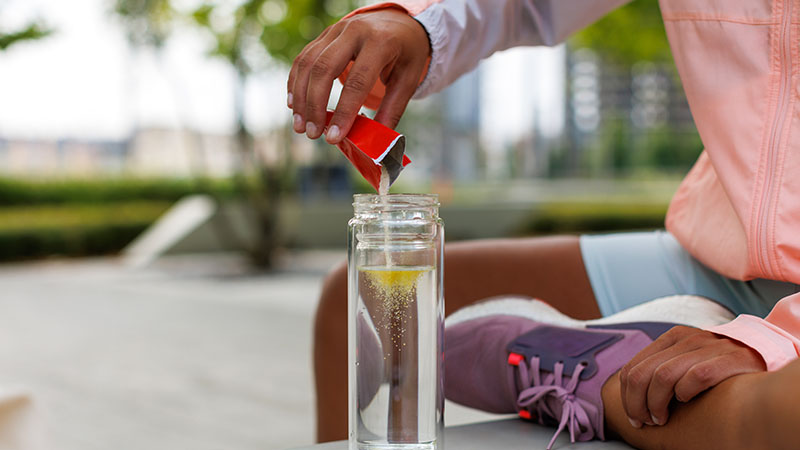
Ever feel sluggish, fatigued, or “brain fog” after a run outside in the sun? That’s primarily due to a loss of electrolytes. We lose electrolytes when we sweat, and it can be hard to replenish them as they are not found in water alone. Many commercial sports drinks, like Gatorade, contain electrolytes – sodium, potassium, and magnesium are most common – and a wide array of electrolyte tablets, powders, and drops have come to the market in recent years.
Who should be supplementing with electrolytes?
Well, as with most things in the nutrition and supplement space, it’s not a one-size-fits-all answer. Some athletes may benefit more from electrolytes than others.
For example, if you’re exercising for longer than 60 minutes and are sweating heavily, or you’re exercising outside on a hot day, replenishing electrolytes with a sports drink or supplement can certainly help you recover and rehydrate afterward. Many sports drinks also contain some carbohydrates, which can help maintain athletic performance during longer practice sessions, games, tournaments, or endurance events like running and cycling.
However, if you’re not sweating profusely, exercising at a lower intensity (think restorative mobility work, yoga, or Pilates), or exercising for shorter periods of time (about 30 minutes) you may not need to supplement with electrolytes.
When Should We Use Caution with Electrolytes?
It’s also worth noting that some health conditions require caution or special considerations with electrolyte use, such as kidney disease, Postural Orthostatic Tachycardia Syndrome (POTS), Inflammatory Bowel Diseases (IBD) like Crohn’s or Ulcerative Colitis, or individuals taking prescribed diuretics.
Additionally, we should keep in mind that some sports drinks contain caffeine – which is not recommended for young athletes – and can have artificial sweeteners. Artificial sweeteners may lead to GI distress, which is the last thing you want when you’re on the move.
In Summary
Electrolytes are certainly helpful, and they can have their place in a recreational or competitive athlete’s regimen.
When in doubt, it’s best to talk to qualified nutrition professionals – like our team of Registered Dietitians and Certified Nutritionists – who can address your specific, individual needs and help evaluate the right product, dosage, and timing for you.
This blog post is for educational purposes only and should not replace professional medical advice. Always consult with your healthcare provider about concerns regarding cognitive changes or before making significant dietary modifications.