As functional dietitians and nutritionists, we’ve seen firsthand how small, intentional changes in eating habits can make a big difference. Let’s explore how you can use anti-inflammatory eating to support your health.
Understanding Inflammation and Autoimmunity:
Inflammation is your body’s natural defense mechanism against injury or illness. However, in autoimmune conditions, this response becomes dysregulated, leading to chronic inflammation that can damage healthy tissues. By incorporating anti-inflammatory foods into your diet, you can help calm your body’s immune response and potentially ease symptoms.
Key Principles of Anti-Inflammatory Eating:
- Focus on Whole, Nutrient-Dense Foods
- Opt for fresh fruits and vegetables, whole grains, lean proteins, and healthy fats.
- These foods provide essential vitamins, minerals, and antioxidants that combat oxidative stress and inflammation.
- Prioritize Omega-3 Fatty Acids Omega-3s have strong anti-inflammatory properties.
- Include fatty fish like salmon, mackerel, and sardines, as well as plant-based sources like chia seeds, flaxseeds, and walnuts.
- Embrace Colorful Vegetables and Fruits Aim to eat a rainbow of produce! Dark leafy greens, berries, sweet potatoes, and bell peppers are particularly rich in anti-inflammatory compounds like flavonoids and carotenoids.
- Choose Healthy Fats When you can, opt for extra virgin olive oil, avocado, and nuts. These fats help regulate inflammation and support heart health.
- Limit Pro-Inflammatory Foods Reduce or avoid processed foods, refined sugars, and trans fats, which can exacerbate inflammation. Additionally, consider moderating your intake of red and processed meats.
- Spice Things Up Many herbs and spices, such as turmeric, ginger, garlic, and cinnamon, have anti-inflammatory properties. Incorporate them into your cooking for both flavor and health benefits.
The Role of Gut Health in Autoimmune Conditions and Treatment
Your gut health plays a crucial role in managing inflammation. A diet rich in fiber, prebiotics (like garlic, onions, and bananas), and probiotics (found in yogurt, kefir, and fermented foods like sauerkraut) can support a healthy gut microbiome, which in turn helps regulate your immune system.
Practical Tips for Getting Started
- Meal Prep: Plan and prepare meals ahead of time to ensure you have healthy options readily available.
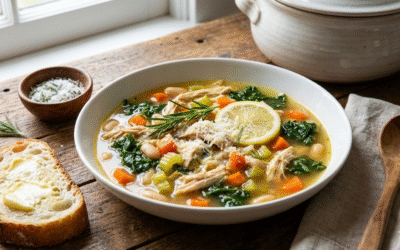
- Experiment: Try new recipes that incorporate anti-inflammatory ingredients, like a turmeric-spiced lentil soup or a quinoa salad with roasted vegetables and olive oil.
- Stay Hydrated: Drink plenty of water and include herbal teas like ginger or chamomile, which can have calming effects.
- Mindful Eating: Slow down and savor your meals. Stress can contribute to inflammation, so creating a peaceful eating environment is key.
Everyone’s body reacts differently to foods, so it’s essential to listen to your body and work with a healthcare provider to find what works best for you. For some, eliminating or reducing certain food groups, such as gluten, dairy, or nightshade vegetables, can lead to noticeable improvements.
However, these decisions should be made based on evidence and personal experience, not as a blanket rule. One of our expert nutritionists can help you find the modifications that are right for you!
Adopting an anti-inflammatory eating pattern isn’t about perfection—it’s about making sustainable choices that nourish your body and support your overall health. Whether you’re managing rheumatoid arthritis, lupus, Hashimoto’s thyroiditis, or another autoimmune condition, small, consistent changes can lead to meaningful improvements over time.
Remember, you don’t have to navigate this journey alone.
As your nutrition experts, we are here to support you in treating your autoimmune condition with personalized guidance, practical tips, and encouragement. Together, we can create a nutrition plan that fits your lifestyle and helps you feel your best!