The Starkel Nutrition Blog

Baked Salmon with Citrus & Herbs

This is a slow baked salmon offering a variety of antioxidants and polyphenols from citrus fruits, fragrant herbs, and olive oil. Salmon is also a great source of anti-inflammatory omega-3’s and vitamin D for mood support and brain health. Serve with a green salad and quinoa for a balanced, nutrient-dense dinner. 

Serves 4

Ingredients:

  • 1 lb salmon filet
  • 1 lemon, thinly sliced and seeded
  • 1 navel orange or blood orange, thinly sliced and seeded
  • 6 sprigs of rosemary or thyme, finely chopped
  • ½ cup olive oil
  • 1 tablespoon fresh lemon juice
  • ½ cup fresh herbs like parsley, dill, tarragon, mint, basil, cilantro
  • Sea salt
  • Freshly cracked black pepper

Directions:

  1. Heat oven to 300 degrees F. While the oven is preheating, unpack the salmon: if the skin is still on, gently pull the skin off. If removing the skin begins to tear away too much of the fleshy fish part, skip this step. Liberally salt and pepper the filet on both sides.
  2. In a baking dish, place 3/4 of your citrus slices on the bottom, making a citrusy bed for your salmon. Lay your filet on top of the citrus. Sprinkle with the rosemary or thyme. 
  3. Place the remaining citrus slices on top of the salmon, drizzle the olive oil all over the salmon and citrus.
  4. Place the baking dish in the middle of the oven for about 25-35 minutes depending on the thickness of your filet. The goal here is to remove the salmon from the oven when it just starts to look cooked around the edges and there isn’t too much of the white fat covering it. Remember that it will continue to cook in the hot oil and pan even after you’ve removed it from the oven! If you’re worried, you can start checking for doneness around 20 minutes, especially if you have a thinner filet or are using less salmon. Once removed from the oven, drizzle with the fresh lemon juice. 
  5. Plate salmon and top generously with fresh herbs.

 

Get our Monthly Insightful Newsletter:

"*" indicates required fields

This field is for validation purposes and should be left unchanged.

Welcome to Starkel Nutrition

As credentialed providers, we bring you relevant information frequently so that you can learn about timely nutrition subjects, decipher fact from fiction, and apply healthy eating to your life.

Explore Our Articles:

Health + Wellness

Recipes

Labs + Supplements

Recent Posts

Raspberry Chia Breakfast Bowl

Raspberry Chia Breakfast Bowl

This breakfast bowl will help you increase your soluble fiber intake with minimal prep time! Soluble fiber tends to help regulate digestion and support healthy, regular bowel movements. Chia tends to soak up liquid and soften quickly, however this recipe can also be...

read more
Why should you consider a stool test?

Why should you consider a stool test?

While it’s not the most fun test to do, a stool test can be a very helpful tool for personalized nutrition interventions. These tests can reveal the root cause of many common GI symptoms, like bloating, diarrhea, constipation, indigestion or abdominal pain. It can...

read more
What the Heck is SIBO?

What the Heck is SIBO?

If you’ve been dealing with bloating that makes you look six months pregnant, unpredictable digestion, food sensitivities that seem to multiply overnight,  or IBS that never quite improves — you may have heard the term SIBO thrown around.  First — What Is SIBO? Small...

read more
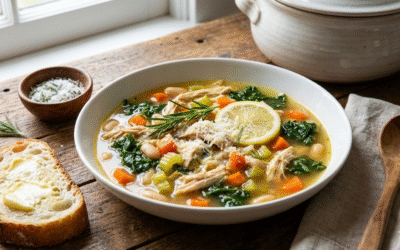
Lemon Rosemary Chicken Soup

Lemon Rosemary Chicken Soup

The perfect nourishing meal to get you through another week of winter. Enjoy the lightness of the citrus mixed with the earthiness of the rosemary, all coming together for a great comfort meal.  Prep Time/Cook Time: 40 minutes Yields: 6 servings Ingredients: ¼ cup...

read more
Lab Considerations with GLP-1 Therapy

Lab Considerations with GLP-1 Therapy

GLP-1 receptor agonists are associated with reduced appetite, early satiety, and lower overall food intake, which may increase the risk of micronutrient inadequacy over time, particularly if baseline intake is suboptimal. Nutrients Most Commonly Affected Iron, zinc,...

read more

Join our Newsletter

"*" indicates required fields

This field is for validation purposes and should be left unchanged.