Depending on who you talk to or what you read, advice as to how often you should eat a meal can vary widely. 3 squares, no snacks? 6 equal meals? 3 meals, ‘X’ number of snacks in between? How about timing? The advice is all over the place! And perhaps the most confusing variable of all, the frontrunner among all of these choices seems to change all the time.
While the absolute right answer regarding the number of daily meals and their timing might be a little confusing, and your nutritionist may have some recommendations based on your specific needs, most agree that there is a great benefit to keeping blood sugar levels balanced throughout the day. In addition to the possible benefits in improved insulin resistance, it reduces the serious hunger pains that drive everything from poor choices to overeating. License to snack! But common sense tells us there is a smart way to do this—and we need to listen.
A great rule of thumb is to eat when your body tells you you’re hungry—and have healthy choices ready when the time comes. Protein, veggies and healthy fat are going to be the best choices to keep you feeling fuller longer—and real food rules the day. Mindfully feeding your body nutrients it recognizes will help your body provide the proper signals when you are no longer hungry. This means slowing down the process a bit and enjoying each bite. Which you are much better able to do when you’re not ravenous! And it greatly increases the chances that those hunger signals the next time you feel them are reliable.
As we move forward into fall, it’s a great time to turn to some things that feel more ‘fall-ish’ as well as seasonal choices that are easier to get ahold of locally. A quick internet search will return all kinds of great information on what’s in season (here’s a site we found that has a quick and easy search—Seasonal Cornucopia—or you can turn to your nutritionist or check out your local farmers markets.
Here are a couple of quick and easy recipes you can add to your repertoire as the days get a little shorter and the air a little crisper. Take a deep breath, and enjoy!
Almond Cranberry Dip
This recipe will make 3 servings, each packing approximately 5 grams of protein, 4 grams of fiber. Serve with sliced apples or pears.
Ingredients
¼ cup raw almonds
¼ cup dried cranberries
¼ cup plain Greek yogurt
1-2 tablespoons almond milk
Add the almonds, cranberries, Greek yogurt and 1 tablespoon almond milk to the bowl of a food processor and blend until you achieve a consistency you like. Add additional almond milk if the dip is too thick. (Note: we made this in a NutriBullet, which will do in a pinch!)
Divide into 3 equal portions. (Each will contain roughly 190 calories)
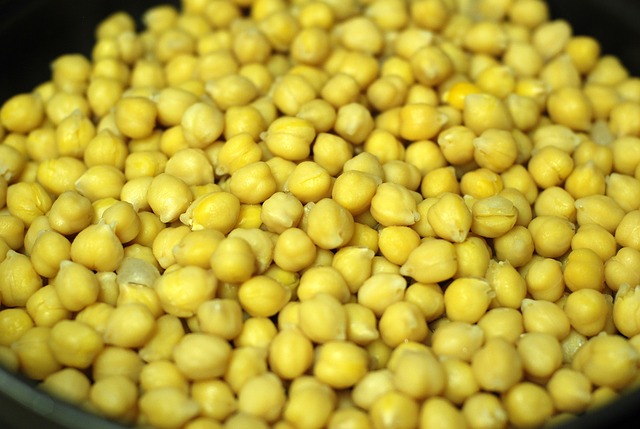
Chickpeas Two Ways
½ cup of chickpeas provides 7 grams of protein and 5 grams of fiber. When spiced up and roasted, they make a wonderful crunchy, savory snack. We’ve provided a couple of spice options to select from below. If you have all the spices in your cupboard, consider cooking half the chickpeas with spice option 1 and half with option 2 to see which you like best!
Ingredients
2 15 ounce cans chickpeas (garbanzo beans)
2 tablespoons olive oil
| Spice Option 1: | Spice Option 2: |
| 1 teaspoon chili powder
1 teaspoon cumin ½ teaspoon cayenne ¼-½ teaspoon salt |
1 teaspoon agave nectar or honey
½ teaspoon cinnamon ½ teaspoon cayenne ¼ teaspoon ground cloves |
- Preheat the oven to 400 degrees F.
- Drain and rinse the chickpeas. Spread them out on a paper or dishtowel and pat dry.
- Place the chickpeas in a medium sized bowl and add the olive oil. Mix with a spatula until well coated.
- Add your spice selection from above (or make up your own!) and stir again until evenly coated.
- Spread evenly on a rimmed baking sheet. Be sure there is a bit of space between each chickpea so they’ll roast evenly.
- Roast for 30-40 minutes. You might give them a shake after 25 minutes to ensure they’re roasting evenly and watch them carefully in the last 10 minutes to be sure not to overdo it.
- Allow to cool completely before packaging up. You can place them in paper bags or glass containers and they’ll store great for several days.